
 Analysis by Gamescozy
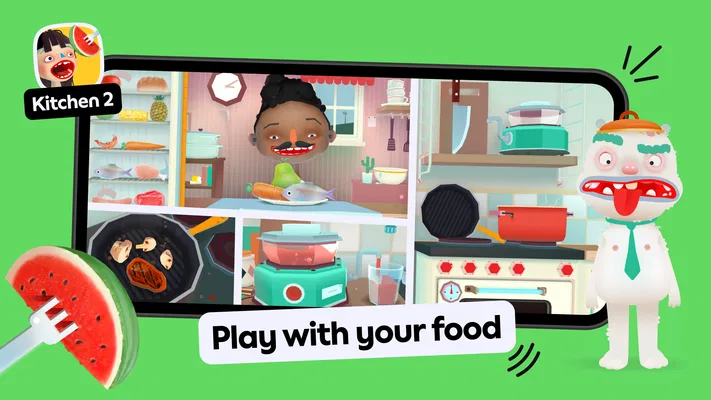
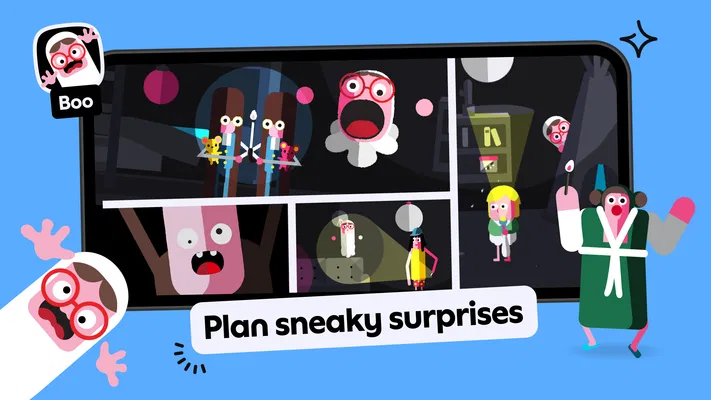
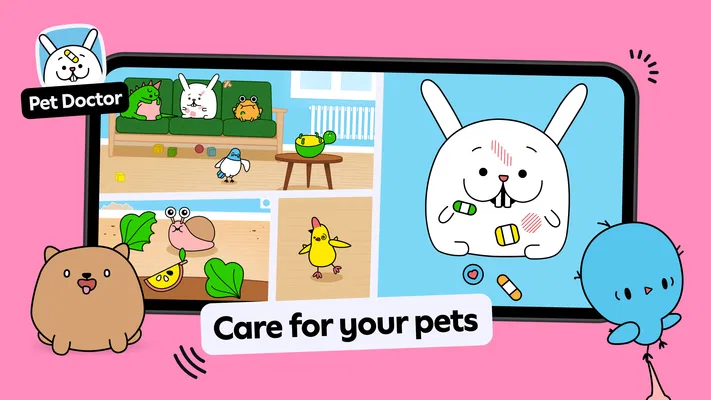
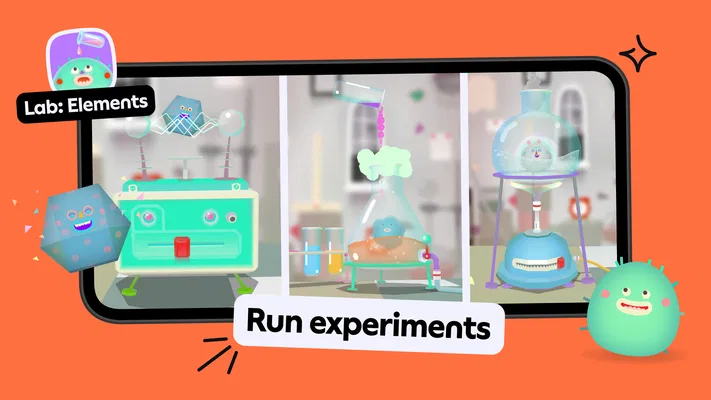
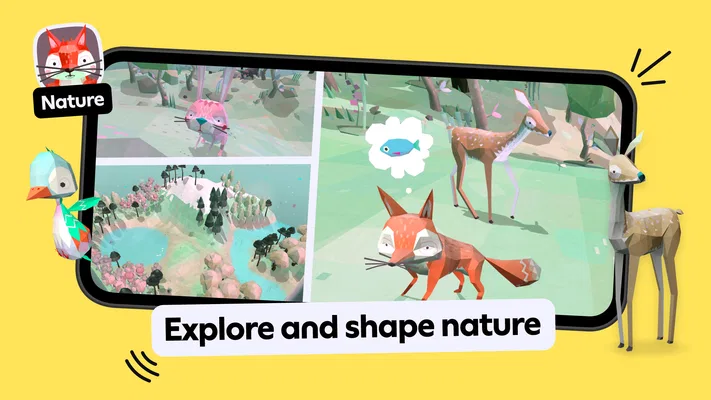
I judge a children’s game less by whether it keeps a little one busy and more by what that attention turns into. Toca Boca Jr: Fun Kids Games is aimed at children from two to eight, and its strongest idea is letting them explore and make things at their own pace rather than pushing them toward a single answer. That makes it a different kind of educational game from one built around quizzes, scores, or a sequence of lessons. In my view, it is best treated as a playful digital activity for a supervised break, not as a substitute for a structured learning program.
Play that starts with curiosity
The first appeal is simple: a child can begin by exploring instead of having to understand a complicated objective. The game’s broad invitation to create and play suits preschoolers who are still learning by trying things, repeating actions, and noticing what happens. A parent does not need to turn every session into a teaching exercise; asking a child what they are making can be enough to encourage them to explain their choices.
That open-ended approach is also the first trade-off. Children who enjoy choosing their own activity may settle in quickly, while a child who expects a clear mission or a visible finish line may need an adult to help them get started. I would introduce it with a small prompt—“What do you want to try first?”—rather than handing over the device and expecting the game to supply a goal for every child.
As an educational game from Play Piknik, it leans toward exploratory play rather than formal instruction. I would not choose it when I need a child to practise a particular school skill in a measurable way. Its value is more about giving a child room to experiment, make choices, and stay engaged with play.
Early goals are most useful when they come from the child
Because the experience is not centered on a single rigid task, a useful early goal can be very small: explore one activity, try a different choice, or make something and describe it. These child-sized aims create a sense of direction without turning play into a test. They also make it easier for an adult to join briefly, then let the child continue independently if they are comfortable.
For a realistic everyday use, imagine a parent preparing dinner while a child wants something to do nearby. I would set up a short play period, help the child choose where to begin, and check in after a while. The game can offer a change of pace from passive video watching, but it still involves a screen, so I would keep the session intentional instead of treating it as an automatic, unlimited distraction.
That distinction matters for families comparing it with familiar alternatives. A tracing or counting app is usually the better fit when the goal is a specific practice routine and clear right-or-wrong feedback. A book, blocks, or pretend play may be better when the family wants a screen-free activity. This title sits between those options: it offers digital play with an educational flavor, but its open-ended nature means the adult may need to supply the purpose.
Progress feels more like discovery than a score
Children do not all need badges or levels to feel that they have made progress. In a creative, exploratory game, a useful signal can simply be that a child has become more willing to try, can explain what they are doing, or returns to an activity with a new idea. I find that kind of progress meaningful, but it is less obvious to a parent glancing at the screen than a score or a completed lesson.
If you want to make the experience feel more purposeful, try asking the child to show you one thing they discovered before switching activities. That small routine helps turn a fleeting tap-around session into a moment of reflection without adding pressure. It also gives you a quick sense of whether the child is engaged or merely moving through the interface.
This is one reason I would not evaluate the game by how quickly it delivers a visible reward. The appeal is the child’s own activity, not a promise that each session will end with a completed challenge. Some children will happily invent their own mini-goals; others will benefit from a parent suggesting a next step. That difference is about play style, not a flaw that every family will experience equally.
The challenge curve depends on the player
For young children, a gentle, self-directed experience can be a relief. It lets them explore without the frustration that can come from timed tasks or a steep sequence of harder puzzles. But that same gentleness may feel too loose for older children who want demanding objectives, clear mastery, or a stronger sense of advancement. The intended age range is broad, so a two-year-old and an eight-year-old may come to it with very different expectations.
I would use the child’s attention as the guide. If they keep experimenting and narrating what they are doing, the open format is working. If they repeatedly ask what to do next, lose interest quickly, or want more challenge, it may be time to play together, choose a more structured game, or move to a non-screen activity. There is no benefit in insisting that every child should enjoy the same kind of freedom.
For an adult, the most practical way to support the challenge level is to offer choices rather than instructions: invite the child to try something another way, or ask what they want to explore next. That keeps the child in charge while providing a little scaffolding. It also avoids turning a casual game into a lesson the child never asked to take.
Retention and purchases deserve a parent’s attention
Open-ended play can encourage a child to return because there is room to explore again, but I would not assume that repeat interest automatically means meaningful progress. A child may revisit familiar activities for comfort, just as they might repeat a favorite story. For a parent, it helps to notice whether each session is still engaging or whether the device has become the default answer whenever there is a quiet moment.
The game is free to download, with in-app purchases ranging from $7.99 to $79.99 per item. That is a substantial range, so I recommend checking the purchase options before letting a child use the device alone. A child-focused game can still create moments when a young player asks for more content; adults should decide in advance whether purchases are appropriate and keep control of that decision.
The average rating is 3.3 from around 1.7 million ratings, alongside roughly 64,000 written reviews. Those figures suggest a widely used game with mixed reactions, rather than one that suits every household. It has over 100 million installs, but popularity is not a substitute for checking whether its style matches your child’s preferences or your family’s approach to screen time.
Practical fit, age, and expectations
The game is rated for Everyone and was released on May 25, 2015. Its current version is 4.6.0, and it requires operating system version 9 or later. I would check that a device meets the requirement before planning to use it, especially if the family is setting up an older tablet for a child. The age rating is broad, but the most natural audience is the young-child range the game is designed around.
It is a particularly sensible choice for a child who enjoys imaginative exploration, likes making choices, and does not need a score to stay interested. It is less convincing for a parent seeking a curriculum-like tool, a child who thrives on clearly defined challenges, or a household looking for a screen-free way to occupy a child. In those cases, a focused learning app, a puzzle with explicit goals, or hands-on materials may be a better match.
When deciding whether to install it, I would also think about the role you want it to play. If you want a short, flexible activity that a young child can explore while you remain nearby, it has a clear purpose. If you expect it to teach a specific skill on its own, or to provide a carefully paced lesson sequence, that expectation is likely to lead to disappointment.
My verdict on its pace and progression
The best reason to try Toca Boca Jr is its freedom to explore; the main reason to pause is that freedom does not provide every child with a clear next goal. I like that the experience can leave room for curiosity instead of constantly pushing a child toward a score. At the same time, families should be prepared to help set a gentle direction, manage session length, and make decisions about in-app purchases.
Play Piknik’s game has earned a place among familiar options for young children, but I would not recommend it simply because it is popular or labeled educational. I would recommend it to a friend whose child enjoys open-ended digital play and whose adult is comfortable keeping an eye on the session. If your child needs stronger challenges, a clearer progression path, or a lesson with a defined outcome, choose something more structured. For the right child, though, it can be a relaxed place to explore, experiment, and decide what to try next.